
Buying and selling businesses in a challenging environment.
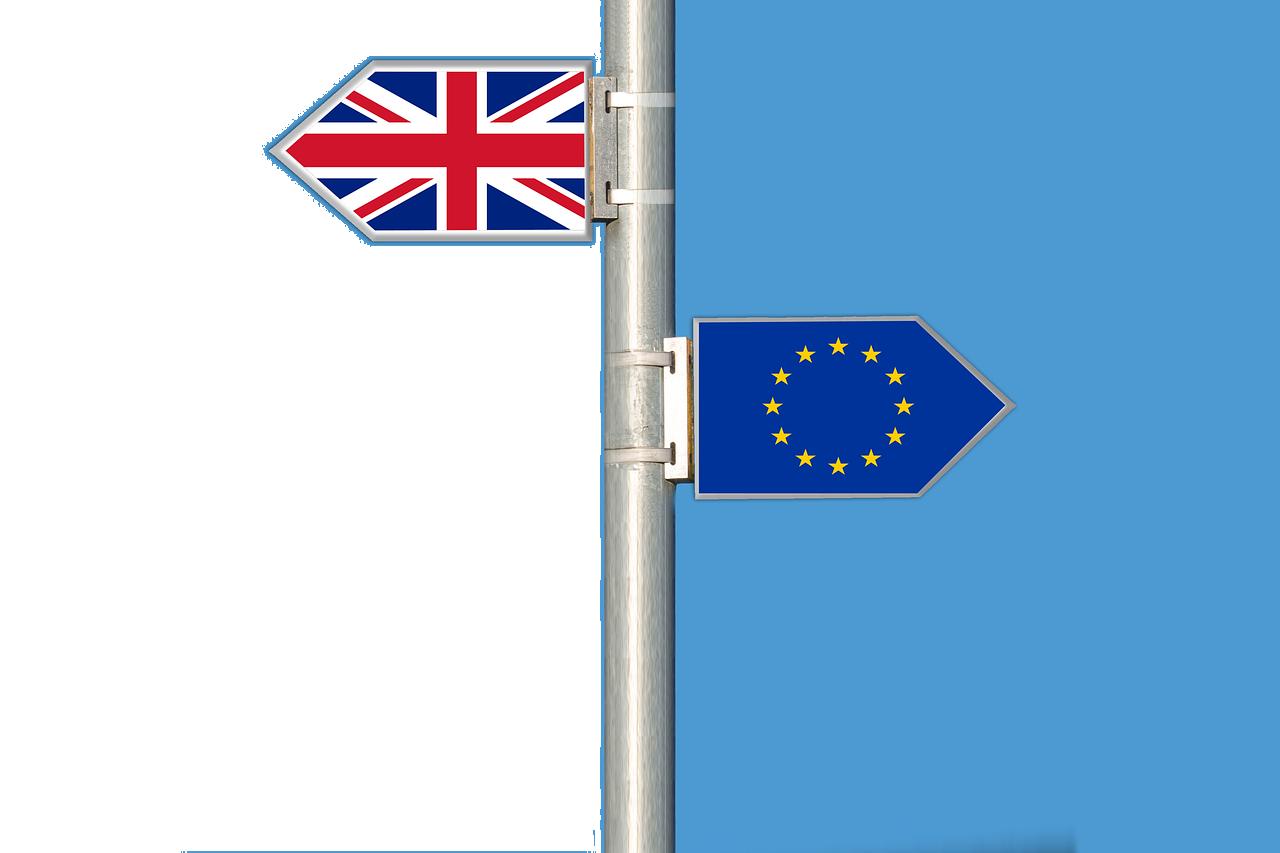
After confusion and upheaval, Theresa May’s recent speech gave us more clarity over the UK’s future relationship with Europe and, indeed, the world. Short of outright sabotage by the British Parliament when MPs vote on whether to give the go-ahead for Brexit, it will happen on or around 31st March as the country seeks to be a “global leader” on trade.â "Britain is and will always be open for business," the Prime Minister has said. So what does leaving the EU bloc mean for dealmaking?
Looking back over recent events, the sharp fall in the value of the pound against the euro hit British businesses, especially smaller ones, hard. Whether pressure on profit margins, cash flow problems or big spikes in the cost of equipment, for some firms, Brexit hit, and hit hard.
And while initial Brexit soundings from business weren’t all that great - early last year a poll by Intralinks found 92 per cent of British dealmakers thought the UK leaving Europe would have a negative impact - the reality is quite different.
Foreign (non-EU) investment into the UK increased substantially in 2016 over the previous year and was fairly steady both before and after the Brexit vote. In fact since the June 23rd referendum the British economy has rebounded strongly and is set for further growth throughout 2017. This is corroborated by the International Monetary Fund, which has revised its 2017 forecast for growth in the UK economy from 1.1 per cent to 1.5 per cent.
Now, we know the low pound is attracting international buyers. Last year was a busy one for big, non-domestic firms swooping on British businesses. But the landscape is not so rosy for others. The new normal is one of uncertainty and change. But it could also be one of opportunity for those companies willing to ditch a ‘wait-and-see’ strategy and forge ahead, with optimism and confidence.
Brexit-proof your acquisition strategies
If you are proposing to buy or sell businesses in a post-Brexit landscape, it might be time to refresh your dealmaking to-dos. A Brexified M&A checklist could look a little like this:
What are the wider implications?
Consider the effect of Brexit on your target business, its value, and its industry. Do you see its value rising over the long-term?
What problems do you foresee?
If acquiring a business with a sterling income stream, how do you plan to mitigate the effect of a drop in the value of the pound? In a cross-border merger or acquisition, should we explore using a deal-contingent currency hedging strategy? Does the business employ significant numbers of EU nationals whose UK residency may be threatened?
Do you need more time?
For sectors with heavy regulation, there have been reports of transactions taking more time to complete. As a result, you may need to forward-plan better and allow for additional time.
As history probably attests, one way of looking at a post-Brexit M&A landscape is that, whatever happens, things will pretty much carry on regardless, with companies adapting to change and doing all they can to make their growth strategies a success.
Back in July 2016 we wrote that British business would prove resilient. We are no strangers to a tough and competitive trading environment, nor to an uncertain political and economic landscape. Our tax rates are low and may even drop further. Business and, indeed, politics, have always been shaped by events. It is how business chooses to deal with them that matters.
The wholesale business has an established trading history and has built up a strong reputation and a loyal customer base. Business is drawn from a wide demographic of clients with a good spread across different business sectors.
This is a unique opportunity to acquire a company specialising in luxury performance cycle clothing, utilising the finest specialist fabrics and cutting-edge construction techniques.
A leading internet-based provider of customisable and curated beauty box services. Over the last decade, the business has evolved from a premier subscription service to a leading internet-based provider of highly attractive and rapidly expanding beau...
WEB-BASED
Please choose your settings for this site below. For more information please read our Cookie Policy
These cookies are necessary for our website to function properly and provide you with access to all features.
These are analytics cookies that help us to improve the way our website works.
These are used to improve the functional performance of the website and make it easier for you to use.